Washington Sounds the Alarm
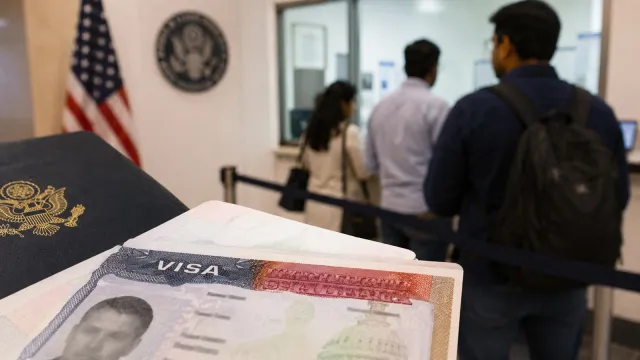
The United States government issued a comprehensive security alert across the Middle East on September 20, 2026, warning of the "potential for unforeseen escalation" as tensions between Washington and Tehran reached a new flash point. The alert covers American embassies, military installations, and civilian personnel across the Gulf, Levant, and broader West Asia.

What the Alert Covers
The State Department alert advises American citizens in Iran, Iraq, Yemen, and Lebanon to exercise extreme caution or consider departing. The Department of Defense placed rapid-reaction forces on heightened alert. President Trump returned abruptly from Camp David to the White House amid heightened situation-room activity.
The Saudi Interception
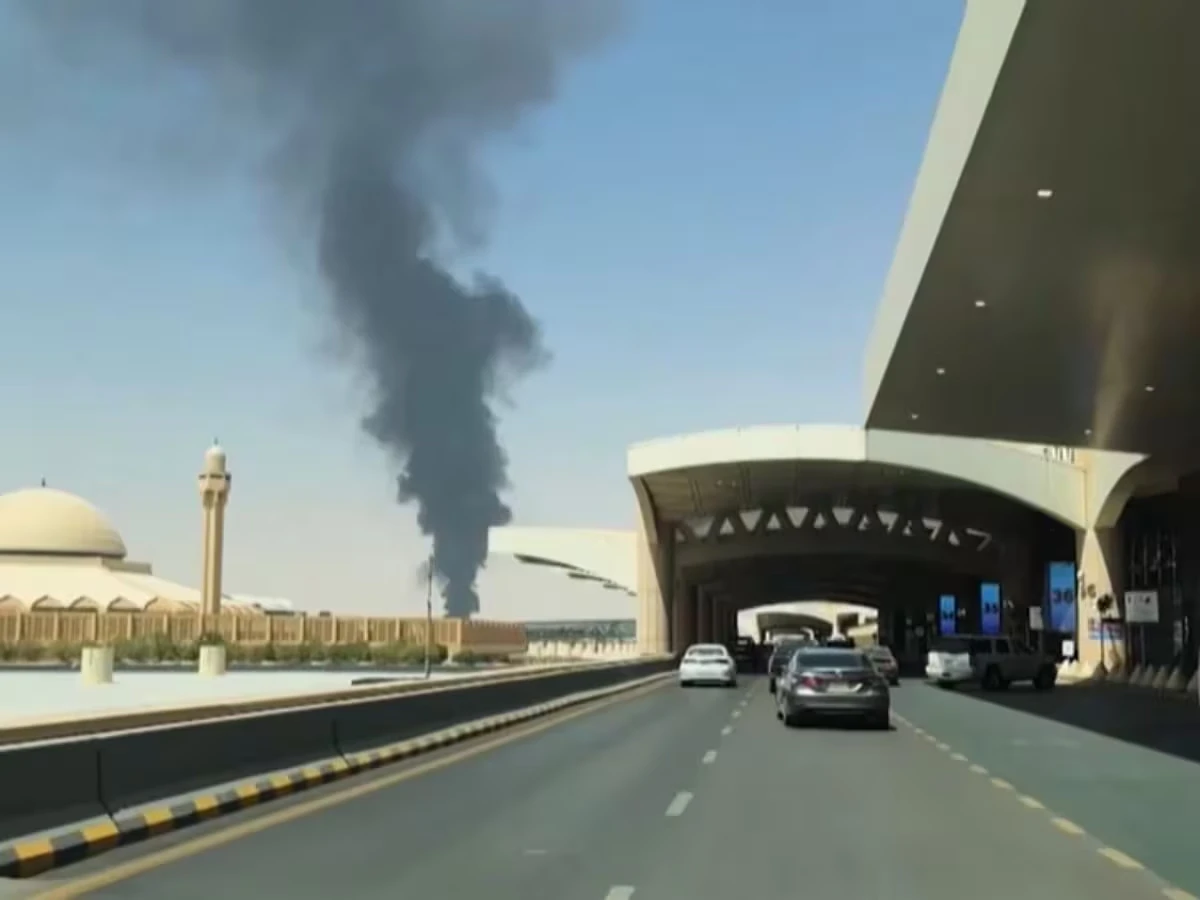
Saudi Arabia's Patriot air defence batteries intercepted an attack targeting Riyadh in the early hours of September 20. No casualties were reported. Houthi-linked forces claimed responsibility. The kingdom's air defence ministry confirmed the successful interception.
Iran's Position
Tehran set conditions for any US dialogue, demanding an end to economic pressure. Iran also executed Hossein Pedran, alleged to be a Mossad spy who had shared targeting intelligence on Iranian missile sites with Israel — adding another volatile layer to the regional crisis.
The Strait of Hormuz Risk
Approximately 20% of the world's traded oil passes through the Strait of Hormuz. The strait was placed on elevated monitoring status. Crude oil futures rose 2.3% on September 19 in anticipation of the developing situation. India, which imports 85% of its crude requirements, convened an emergency strategic petroleum reserve review.
Key Takeaways
- US issued comprehensive Middle East security alert September 20 citing "potential for unforeseen escalation."
- Saudi Arabia intercepted a Riyadh-bound attack; Houthis claimed responsibility.
- Iran executed an alleged Mossad spy and set conditions for US talks.
- Crude oil futures rose 2.3%; Strait of Hormuz on elevated monitoring.
Frequently Asked Questions
Why did the US issue a Middle East security alert on September 20?
Rising Iran-US tensions, Houthi attacks on Saudi Arabia, and the risk of broader regional escalation triggered the alert covering American personnel and citizens.
Was the Riyadh attack successful?
No. Saudi air defences intercepted the incoming strike. No casualties were reported.
How does this affect India?
India imports 85% of its crude oil through Gulf routes. Disruption to the Strait of Hormuz would directly impact Indian fuel prices.
Conclusion
September 20, 2026 marks a dangerous inflection in Middle East geopolitics. The simultaneous convergence of Iran-US standoff, Houthi strikes on Saudi Arabia, and an unprecedented American security alert suggests the region is closer to wider conflict than at any point this decade. The next 72 hours of diplomatic signalling will be critical.