The Numbers Behind Nepal's Worst Disaster in Years
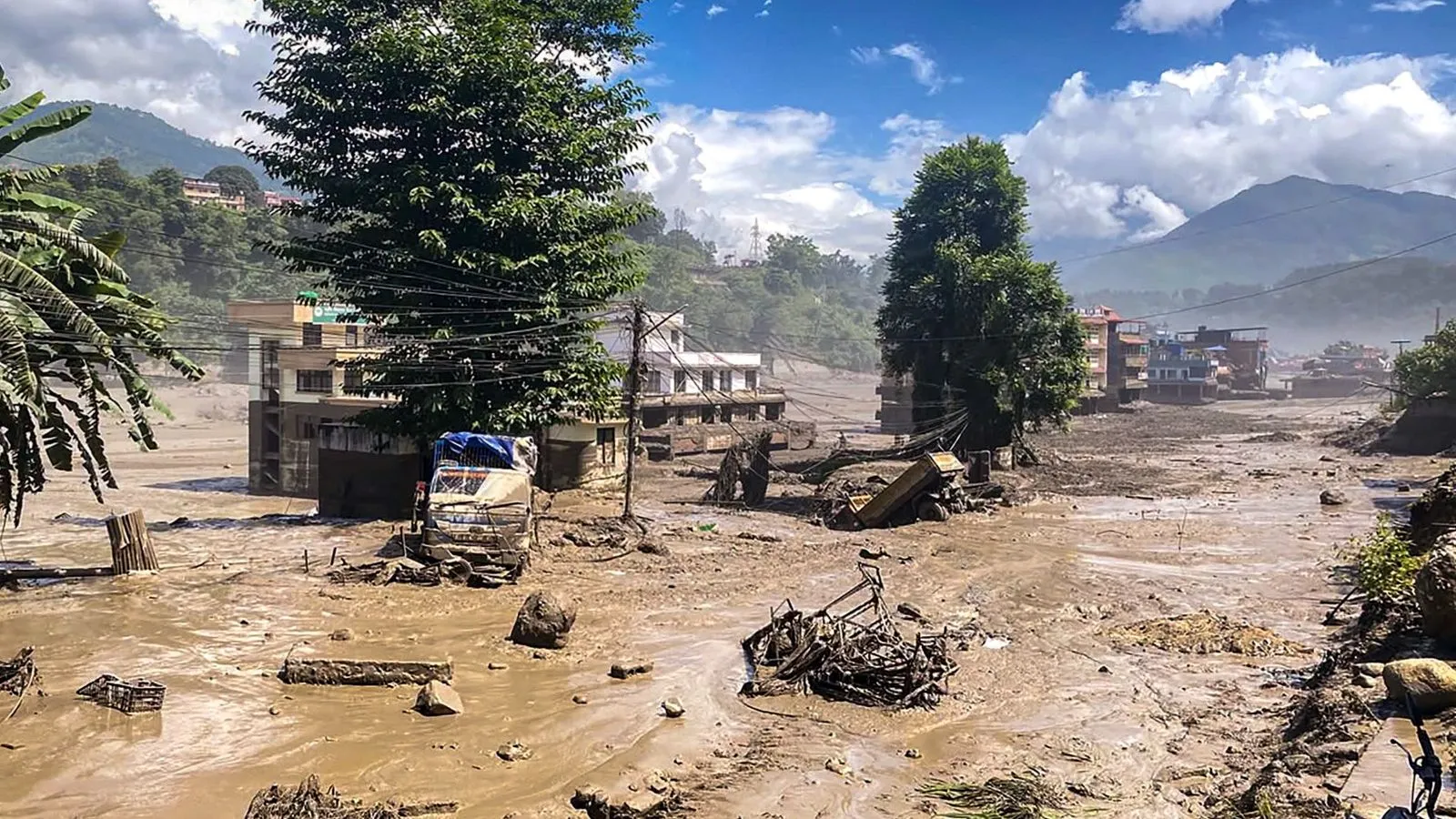
The flash floods that struck Nepal's Bhote Koshi river area on August 26, 2026 have left a toll that continues to be counted into late September. Nearly 160 people have died, with over 750 missing including 133 Indians. The scale of destruction across roads, bridges and residential infrastructure along the river corridor makes this one of the most severe natural disasters to hit Nepal in recent years.
Quick Answer: How many people died in the Nepal floods of 2026? Nearly 160 people have died in the August 26, 2026 Bhote Koshi flash floods, with over 750 missing including 133 Indian nationals. Damage is estimated at up to 2.56 billion dollars.
What Happened on August 26
The Bhote Koshi river, which flows south from Tibet into Nepal, experienced a sudden and severe surge on August 26 that caused flash flooding in its downstream areas. The timing was particularly devastating because the river corridor is a key crossing point for tourists, pilgrims and traders moving between Nepal and China. A significant number of Indian nationals were in the area, many of them pilgrims crossing into Tibet through this route.
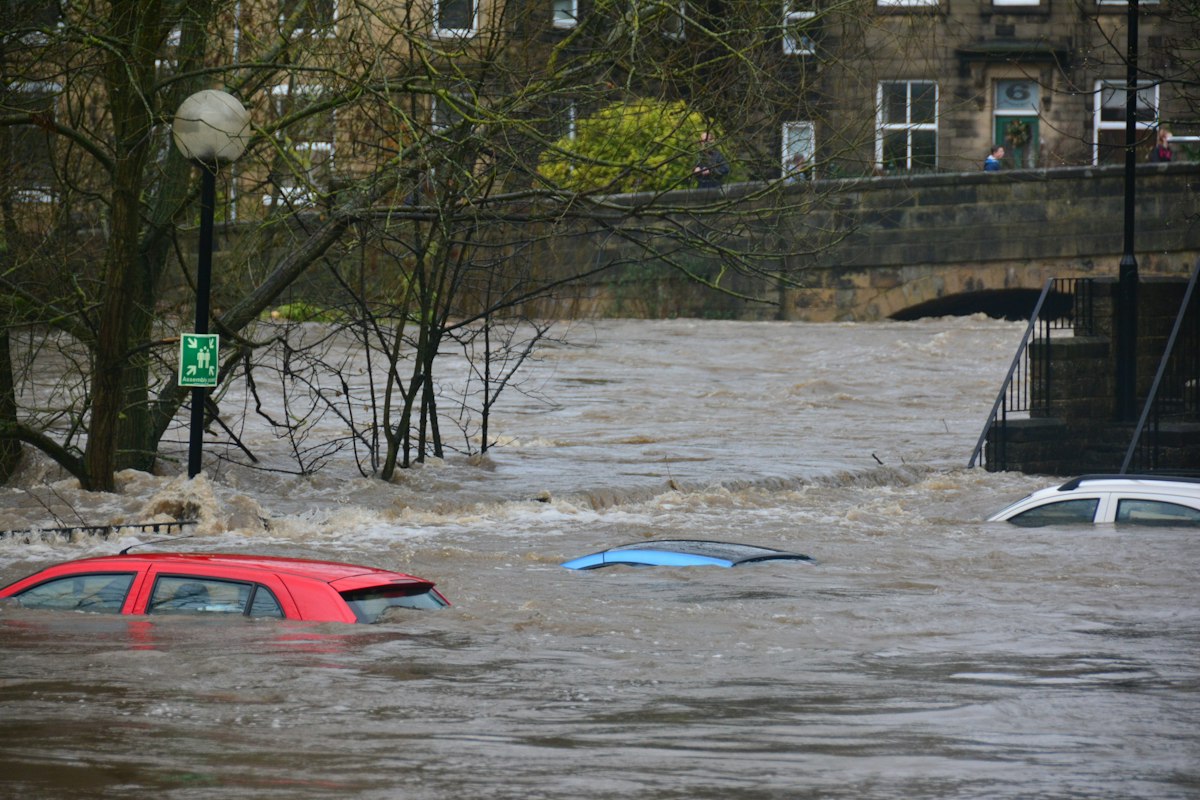
The flood caused significant loss of life and extensive damage to residential areas, roads, bridges, and other infrastructure situated downstream. The combination of destroyed infrastructure and the suddenness of the surge made rescue efforts extremely difficult in the immediate aftermath.
Indians on Both Sides of the Border
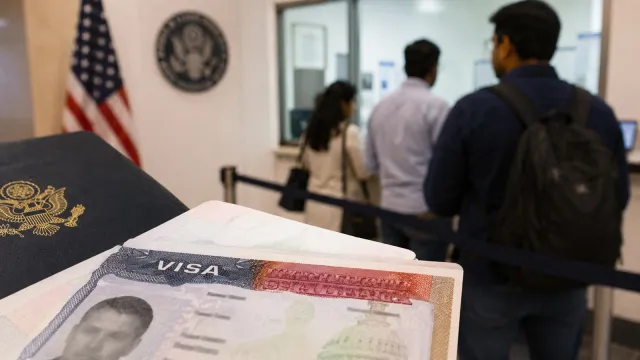
By early September, 108 Indian nationals had been rescued in Nepal, and contact was re-established with around 50 Indian nationals who were earlier uncontactable. Around 598 Indian nationals safely crossed into Nepal from China in the days following the disaster, while around 900 Indian nationals on the Chinese side were safe and contactable. More than 275 Indian nationals and 128 persons of Indian origin remained missing or non-contactable.
The dual-border nature of the crisis required India to coordinate simultaneously with Kathmandu and Beijing, both of which had Indian nationals on their respective sides of the disaster zone. India's Ministry of External Affairs set up a round-the-clock control room and embassies in both capitals activated 24-hour helplines.
The Economic Damage
Nepal's flood damage may cost up to a tenth of the country's economy to rebuild. With Nepal's GDP at roughly $42 billion, a tenth would amount to over $4 billion. The more specific estimate of $2.56 billion in losses has been cited by Nepali officials and international assessors working through the aftermath. For a country that had only recently been recovering from pandemic disruption and political instability, the timing of this disaster is particularly severe.
India's Response
PM Narendra Modi spoke directly with Nepal PM Balendra Shah on August 26 to convey condolences and confirmed India's readiness to provide humanitarian assistance. External Affairs Minister S. Jaishankar followed up with a conversation with Nepal's Foreign Minister Shisir Khanal two days later. Indian rescue teams were deployed, and coordination with Chinese authorities for the nationals stranded on the Tibetan side was handled through the embassy in Beijing.
The Search and Rescue Challenge
Among the most reported aspects of the rescue operation was the effort to reach workers trapped inside hydropower tunnels that had been sealed by floodwater. Rescuers raced to reach 933 people believed trapped in tunnels after floods hit Nepal. The technical complexity of tunnel rescue in a flood scenario, combined with the remote terrain, made this a prolonged and difficult operation.
Key Takeaways
- Nepal's Bhote Koshi flash floods on August 26, 2026 killed nearly 160 people with over 750 missing including 133 Indians.
- Damage estimated at $2.56 billion, potentially up to 10 percent of Nepal's GDP.
- India coordinated rescue and relief efforts with both Nepal and China for nationals trapped on each side of the border.
- 933 workers were trapped in hydropower tunnels at the peak of the crisis; rescue operations were complex and extended.
Frequently Asked Questions
When did the Nepal floods happen in 2026?
The flash floods struck the Bhote Koshi river area on August 26, 2026. The rescue and relief phase extended well into September, with missing persons searches still ongoing as of late September.
How many Indians are missing in the Nepal floods?
133 Indian nationals are among the more than 750 people reported missing. Over 275 Indian nationals and 128 persons of Indian origin remained missing or non-contactable as of early September, according to India's Ministry of External Affairs.
What is Nepal doing to rebuild after the floods?
Nepal's government, with international assistance, has begun damage assessment and reconstruction planning. Nepal PM Balendra Shah has demanded international climate action, noting that Himalayan glacial and extreme weather events are making flood disasters more frequent and severe in the region.
Conclusion
The August 26 Nepal floods are a humanitarian disaster whose full consequences are still being counted a month later. The loss of life, the scale of infrastructure damage and the economic impact on one of South Asia's smaller economies are all significant. India's response, coordinated across two embassies and involving both rescue teams and diplomatic channels, reflects the depth of the relationship between the two countries - and the practical reality that disasters on Nepal's border invariably touch Indian lives as well.