Introduction
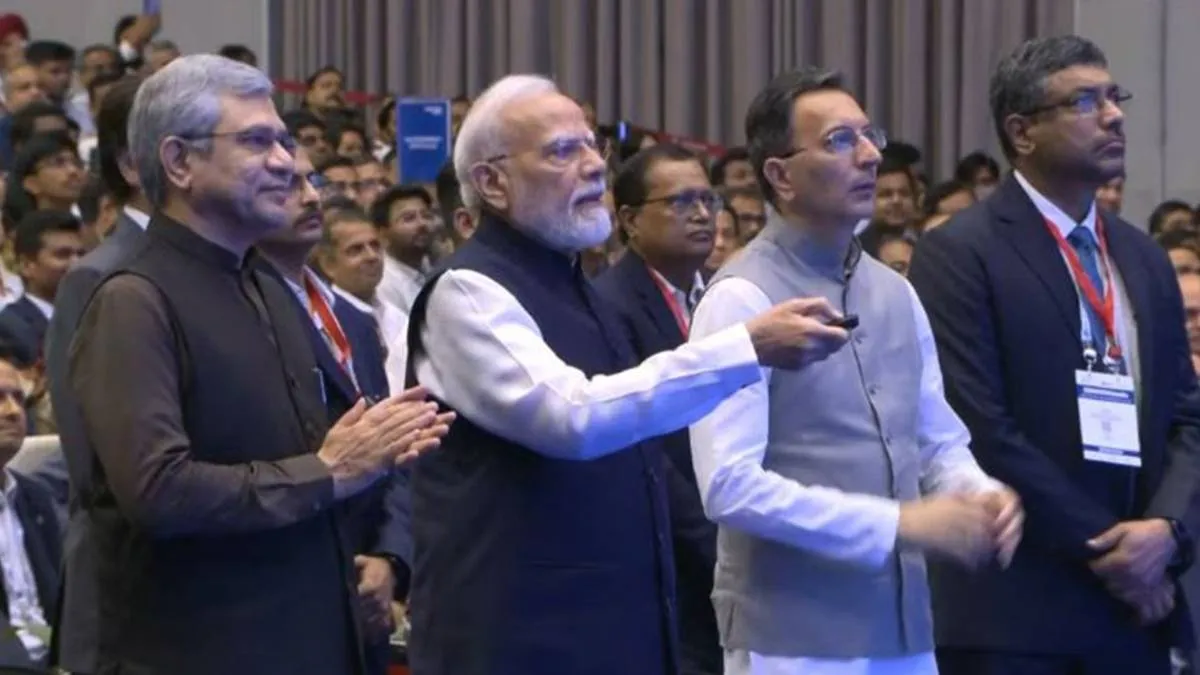
Prime Minister Narendra Modi inaugurated SEMICON India 2026 at Yashobhoomi in New Delhi on Thursday, September 17, 2026, opening the fifth edition of India's flagship semiconductor conference and exhibition. More than 600 companies and representatives from 52 countries are participating in the three-day event, which runs through September 19 under the theme "Silicon to Systems: Building the Ecosystem."
The Scale of Participation
The 2026 edition draws companies and startups from over 20 countries directly exhibiting, with representatives from 52 countries attending overall. For context, the 2025 edition held between September 2 and 4 last year recorded more than 35,000 registrations and over 20,000 in-person visitors to exhibition booths, figures that illustrate how the event has scaled from a policy showcase into a substantial industry gathering.
Event Snapshot
| Detail | Information |
|---|---|
| Dates | September 17-19, 2026 |
| Venue | Yashobhoomi, New Delhi |
| Theme | Silicon to Systems: Building the Ecosystem |
| Companies | 600+ |
| Countries represented | 52 |
| Edition | Fifth |
What the Event Covers
The conference and exhibition span the full semiconductor value chain, from materials and manufacturing equipment through chip design, fabrication, advanced packaging and finished electronics systems. Sessions address collaboration, investment, innovation and talent development, reflecting the government's framing that a semiconductor industry requires an entire supporting ecosystem rather than isolated fabrication plants.
The CEO Roundtable
A day before the inauguration, on September 16, Modi chaired a roundtable with global semiconductor chief executives in New Delhi. Countries including Japan, Korea, Singapore, Germany and the Netherlands are participating in the wider event, alongside the United States, which has led international efforts around resilient supply chains for semiconductors, AI and critical minerals.
Why This Edition Is Different
- Three of the 12 semiconductor projects approved under Semicon 1.0 have commenced commercial production.
- The next phase, Semicon 2.0, has been formally announced with six major pillars.
- Participation has grown roughly 30 to 40 percent annually across recent editions.
- The event features six country pavilions and 12 state government pavilions.
From Announcements to Output
MeitY Secretary S. Krishnan has framed this year's significance around two developments: the on-ground progress of the Semicon India Programme, with three approved projects now in commercial production, and the announcement of Semicon 2.0. That shift from approvals to actual production output is the central test of whether India's semiconductor policy is delivering.
Expert Insight
Industry observers note that the jump from three projects in commercial production to a fully functioning domestic ecosystem remains substantial, involving supplier networks, skilled workforce pipelines and materials supply chains that take years to mature. The value of an event at this scale, they argue, lies less in headline announcements and more in the supplier relationships and joint ventures formed on the exhibition floor.
Key Takeaways
- Modi inaugurated SEMICON India 2026 at Yashobhoomi on September 17.
- Over 600 companies and representatives from 52 countries are participating.
- Three of 12 projects approved under Semicon 1.0 have begun commercial production.
- The event runs through September 19 under the theme "Silicon to Systems."
FAQ
When and where is SEMICON India 2026?
September 17 to 19, 2026, at Yashobhoomi in Dwarka, New Delhi.
How many countries are represented?
Representatives from 52 countries are participating, with companies and startups from over 20 countries exhibiting.
What is the theme?
"Silicon to Systems: Building the Ecosystem."
Conclusion
With three projects now in commercial production and a second phase of policy support underway, SEMICON India 2026 arrives at a genuinely different moment than earlier editions. The measure of progress going forward will be output volumes rather than investment commitments.