Brazil's Election Is Going to a Runoff - and the Left Is Behind
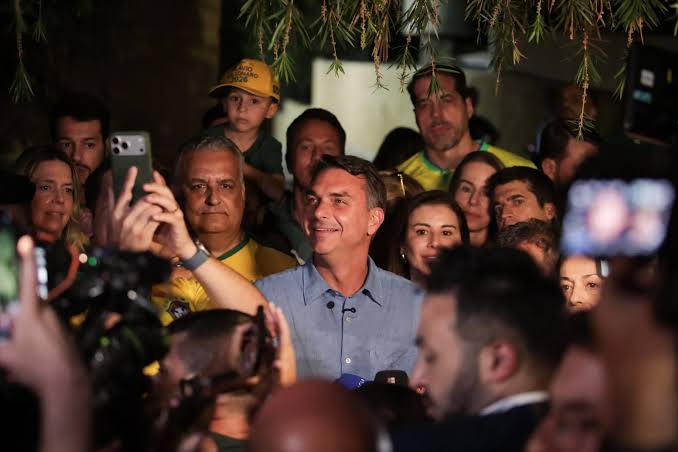
Brazil's October 5 presidential election did not produce an outright winner but produced a clear leader. Flavio Bolsonaro pushed Lula to the brink of defeat ahead of Brazil's runoff, with conservatives dominating across Brazil in Sunday's voting. Bolsonaro capped the day by taking about 47 percent of the vote to the leftist Lula's roughly 45 percent with counting nearly complete. A runoff between the two candidates is set for October 26.
Quick Answer: What happened in Brazil's election on October 5, 2026? No candidate won an outright majority. Flavio Bolsonaro led with approximately 47 percent versus Lula's 45 percent. A presidential runoff between the two is scheduled for October 26, 2026.
Who Is Flavio Bolsonaro?
Flavio Bolsonaro is the eldest son of former Brazilian President Jair Bolsonaro, who narrowly lost the 2022 presidential election to Lula da Silva by about 1.8 percentage points in a runoff. The elder Bolsonaro faced legal proceedings following January 8, 2023 events in Brasilia, which constrained his direct participation in the 2026 campaign. Flavio, a federal senator from Rio de Janeiro, emerged as the standard-bearer for the Bolsonarista political movement, combining his father's political base with a somewhat more institutionally appropriate public profile.
Why Lula Is Vulnerable
Luiz Inacio Lula da Silva, Brazil's current president who won in 2022 on his third attempt, entered the 2026 campaign with approval ratings that had been tracking well below his 2022 election performance. Brazil's economy has continued to generate employment and social transfers under his administration, but inflation, security concerns in urban centres and persistent dissatisfaction with the pace of development in Brazil's northeast have created openings for the opposition.
A two-point gap in the first round, where Bolsonaro historically tends to underperform pre-election polls while Lula overperforms them, creates genuine uncertainty for the October 26 runoff. The pattern seen in 2022 - where polling consistently overestimated Lula's margin - is something both campaigns are actively adjusting for.
What Happens in a Brazilian Runoff
Brazil's electoral system requires a candidate to win more than 50 percent of valid votes in the first round to avoid a runoff. When no candidate clears that threshold, the top two face each other three weeks later. Votes cast in the first round for eliminated candidates do not automatically transfer - voters make a new choice from the two remaining options or cast a blank or null ballot.
The candidates who finished third and below will now signal their preferences to their supporters. In Brazil's multiparty system, these endorsements carry genuine weight. The question is whether the combined anti-Lula vote in the first round - which appears to have been larger than the combined pro-Lula vote - translates into a Bolsonaro win on October 26.
What This Means Globally
Brazil is the largest economy in Latin America and the world's largest tropical nation. A shift in its government from left to right would affect climate negotiations - where Brazil under Lula has been a significant participant in Amazon protection commitments - and South American regional politics. The US and China both watch Brazilian elections closely given the country's agricultural exports and its role in global commodity markets.
Key Takeaways
- Brazil's October 5 first-round presidential vote did not produce a majority winner.
- Flavio Bolsonaro led with approximately 47 percent; Lula was at 45 percent with counting nearly complete.
- A runoff is scheduled for October 26, 2026.
- Conservative candidates dominated in state and congressional races alongside the presidential contest.
- The outcome has implications for Amazon climate policy and South American regional politics.
Frequently Asked Questions
When is the Brazil election runoff?
October 26, 2026. Brazilian electoral law requires a second round between the top two candidates when no one wins more than 50 percent of valid votes in the first round.
Who is Flavio Bolsonaro?
A federal senator from Rio de Janeiro and the eldest son of former President Jair Bolsonaro. He is the 2026 presidential candidate for the Bolsonarista political movement after his father faced legal restrictions on political activity following January 2023 events.
Can Lula still win the runoff?
Yes. A two-point deficit in the first round is not insurmountable. Lula's campaigns historically benefit from strong organisational infrastructure and high turnout among poorer voters. The runoff result will depend on how first-round voters for eliminated candidates split and on turnout patterns.
Conclusion
Brazil's election is not over. It is, however, in a significantly different position than most observers expected heading into the October 5 vote. Flavio Bolsonaro has established himself as the front-runner three weeks before the runoff, with his father's political coalition intact and a lead that, while not insurmountable, gives the right a real path to returning to power in Brasilia. October 26 is the day that matters.