Bond Markets Are Calling the Next RBI Move
India's bond market is sending a clear signal ahead of the Reserve Bank of India's October Monetary Policy Committee meeting. Markets bet on RBI rate hike as inflation pressure builds. The expectation is driven by a combination of food price pressures - onion, edible oil - a rupee that has settled above 95 to the dollar, and a global interest rate environment where the US Federal Reserve's extended higher-rate stance continues to create pressure on emerging market currencies.
Quick Answer: Is the RBI expected to hike interest rates in October 2026? Bond markets and currency traders are pricing in a rate increase at the October 2026 MPC meeting, driven by food inflation from onion and edible oil prices, a weaker rupee and persistent external pressure from US interest rate levels.

The Inflation Picture
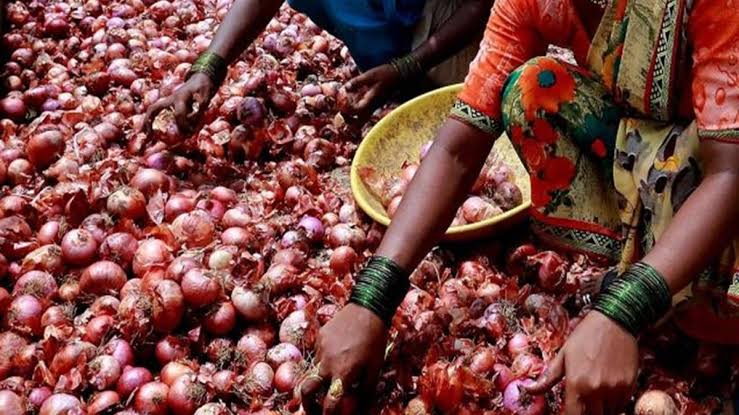
India's headline retail inflation has been pushed higher by food prices through September. Onion prices rose as Maharashtra's drought-affected Nashik crop reduced supply. The government's decision to release buffer stocks on September 30 was a direct response. Edible oil prices also rose, leading the Centre to cut sunflower oil import duty to zero and reduce crude palm and soyabean oil duties to five percent in the same period.
Core inflation - which excludes food and fuel - has been more contained, but headline numbers are what political pressure and media coverage respond to. With onion prices and edible oil both elevated heading into the festival season, the RBI faces the standard dilemma of monetary policy: tightening into food price inflation that is supply-driven rather than demand-driven is a blunt instrument that does not directly address the underlying shortage.
The Bond Yield Curve Signal
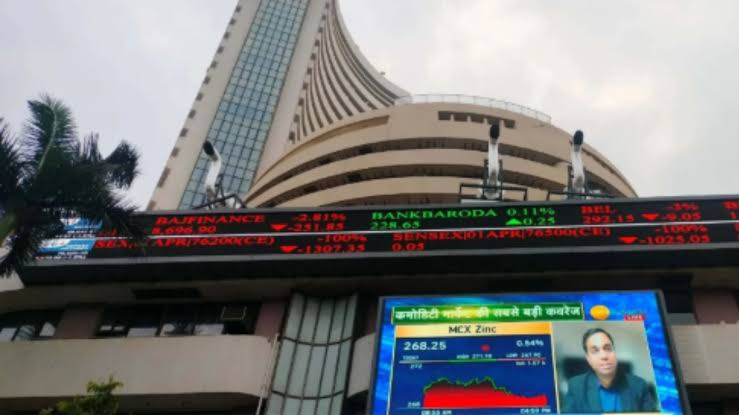
India's bond yield curve is poised to flatten as the RBI drains surplus cash, pressuring shorter maturities. Curve flattening - where short-term yields rise toward long-term yields - typically signals that market participants expect near-term rate increases. The RBI has been managing surplus liquidity in the banking system through open market operations and variable rate reverse repos. Draining that surplus pushes short-term rates upward.
The Rupee: 95.55 and Falling
The rupee closed at 95.55 against the US dollar on September 30, down 14 paise on the day. The currency has been under gradual pressure for most of 2026, driven primarily by dollar strength rather than India-specific weakness. The RBI's policy response to a weakening rupee is more complex than simply raising rates - the central bank typically intervenes in the forex market to smooth volatility while reserving rate decisions for inflation management.
A rate hike that also helps support the rupee by making India's interest rate differential with the US more attractive to capital inflows is a policy combination that the RBI has used before. Whether that logic applies now depends on the MPC's read of domestic growth momentum and whether the committee believes a hike would meaningfully slow activity that is, by most measures, reasonably strong.
Dissenting View: Why the RBI Might Not Hike
Not all analysts are convinced a rate hike is coming. The opposing argument is that India's food inflation is temporary and supply-side, corporate earnings are resilient and a hike would slow credit growth in a market that is providing the investment finance the government needs for its infrastructure programme. The RBI's MPC has tended to be cautious about tightening when growth is visible and inflation is not yet generalized.
The October meeting will be the committee's clearest signal since the growth-inflation balance shifted in September. Watch the RBI's inflation projections - if they revise upward significantly, a hike follows. If they hold their forecasts, the rate likely holds too.
Key Takeaways
- Bond markets are pricing in an RBI rate hike at the October 2026 MPC meeting.
- Food inflation from onion and edible oil price rises has pushed headline inflation higher in September.
- The rupee closed at 95.55 against the dollar on September 30 - continued weakness adds external pressure.
- India's bond yield curve is flattening as the RBI drains banking system surplus liquidity.
- A counterview exists: food inflation is supply-side and temporary, growth is solid, a hike may not be warranted.
Frequently Asked Questions
When is the RBI MPC meeting in October 2026?
The RBI Monetary Policy Committee meets six times per year. The October meeting dates are confirmed by the RBI well in advance - check the RBI website for the specific dates in October 2026.
What drives RBI rate hike decisions?
The RBI's primary mandate is price stability - targeting CPI inflation at 4 percent with a 2 percent band on either side. When inflation trends above the upper tolerance level of 6 percent and appears persistent, the MPC raises rates. Growth considerations are secondary but present in the committee's deliberations.
How would an RBI rate hike affect home loan EMIs?
A rate hike typically translates into higher lending rates for floating-rate home loans after a lag of one to three months, as banks adjust their marginal cost of funds-based lending rate. Borrowers on fixed-rate loans are unaffected. The magnitude of any EMI increase depends on the size of the hike.
Conclusion
The RBI's October decision is one of the more genuinely uncertain calls it has faced in 2026. The case for a hike is real - food inflation, rupee pressure and bond market signals all point in that direction. The case against is also real - supply-side food shocks do not respond to interest rates, growth is reasonably strong, and tightening now could be premature. The MPC's inflation forecasts, when they are published alongside the decision, will tell the most important story about which view prevailed.