Onions Are Expensive Again, and the Government Is Acting
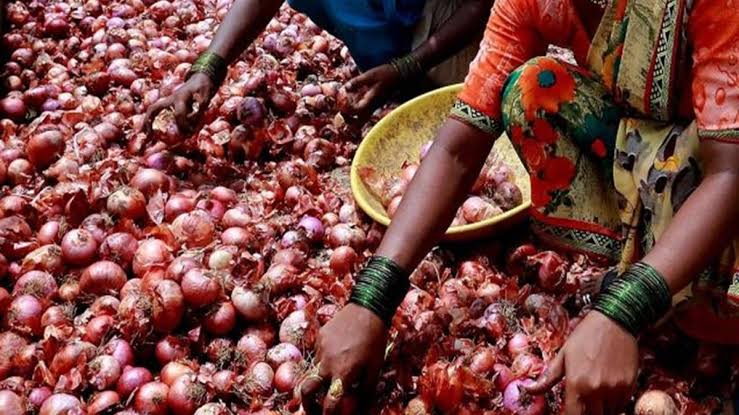
The Centre has authorised a targeted release of onions from its national buffer stock as prices in wholesale and retail markets across India have risen through September, driven by reduced supply from Maharashtra's drought-affected Nashik region. The Centre began targeted release of onions from buffer stocks to ensure adequate availability and check seasonal price rise. The timing - days before October, when the festival season begins driving household consumption higher - is deliberate.

Why Nashik Matters So Much
Nashik district in Maharashtra accounts for roughly a third of India's total onion production. The Lasalgaon market in Nashik is the country's largest onion wholesale market and is treated as a benchmark price-setter for the crop across the country. When Nashik has a bad crop - whether from too much rain, too little rain, or disease - the effect on national onion prices is almost immediate.
The 2026 kharif crop, which would normally be harvested between September and November, has been compromised by the same inadequate monsoon rainfall that led Maharashtra to declare drought in 40 of its districts in late September. Onion is a water-intensive crop and the shortfall in rain during the critical June-August growth phase has directly reduced yields.
How India's Onion Buffer Works
The National Cooperative Exports Limited (NCEL) and the National Cooperative Dairy Federation of India (NDDB) manage India's onion buffer stock on behalf of the government. The buffer is built during periods of surplus production when wholesale prices are low, with the government purchasing directly from farmers or mandis. During shortage periods, the buffer is released to major consumption centres - typically Delhi, Mumbai, Kolkata and Chennai - through state civil supply corporations at below-market rates.
The quantity released is calibrated based on price readings from benchmark markets. The government does not flood the market, which would depress prices below viable farmer levels; it releases enough to signal that supply is available and to prevent the kind of sharp price spike that triggers political headlines and inflation concerns.
The Festive Season Pressure
October through November covers Navratri, Diwali, Chhath and several regional festivals that collectively drive household consumption higher across India. Vegetables, including onion, are bought in larger quantities during this period. A price spike heading into the festive season is particularly politically sensitive because it affects urban household budgets in exactly the cities and demographics that generate the most media coverage.
Onion has historically been one of the few agricultural commodities that can directly affect election outcomes in India. The 1998 BJP defeat in Delhi state elections is routinely cited as partly attributable to an onion price crisis. No government takes onion prices lightly regardless of its ideological orientation.
What This Means for Consumers and Farmers
For consumers, buffer stock releases should moderate - though not eliminate - the price rise over October. Retail prices that were climbing toward 50-60 rupees per kg in some markets should stabilise or pull back slightly as the released stocks reach mandis. For farmers who currently have onion in storage from earlier crops, higher prices are a welcome recovery after a period of depressed returns. For farmers growing the rabi crop that will be planted in October-November, the drought warning for Maharashtra creates uncertainty about soil moisture and irrigation water availability.
Key Takeaways
- The Centre released onions from national buffer stocks on September 30 to control rising prices ahead of the festive season.
- Prices are rising because Maharashtra's Nashik region - India's largest onion-growing area - has been hurt by inadequate monsoon rainfall in 2026.
- Maharashtra declared drought in 40 districts in late September, affecting multiple crops including the kharif onion harvest.
- Buffer releases are targeted at major consumption centres to moderate retail prices without crashing farm-gate values.
Frequently Asked Questions
What is the current onion price in India in September 2026?
Retail onion prices in major cities were trending in the range of 45-60 rupees per kilogram in late September 2026, with variation by city and grade. Wholesale prices at Lasalgaon in Nashik are the benchmark - check the government's AGMARKNET portal for current wholesale rates.
How much onion does India produce from Nashik?
Nashik district produces approximately 30-33 percent of India's total onion output in a normal year. Its dominance in the kharif crop season is particularly high, making it the single most important factor in seasonal price trends.
Can India import onions if domestic prices get too high?
Yes. India has imported onions from Egypt, Turkey, Afghanistan and other countries during previous shortage periods. The government has also used export restrictions to prevent domestic supplies from being diverted abroad during shortage periods. Both options remain available as policy tools.
Conclusion
Onion price management is one of those policy areas where the Indian government has developed substantial institutional knowledge and a set of tools that work, within limits, when deployed quickly. Buffer stock release is the first tool, and it has been deployed on September 30 with appropriate timing. Whether it is enough depends on how the rabi crop performs after October planting and whether global prices allow imports if domestic supplies remain tight. The festive season is here. The government knows what it is managing and why it matters.