Where India-Pakistan Relations Stand in September 2026
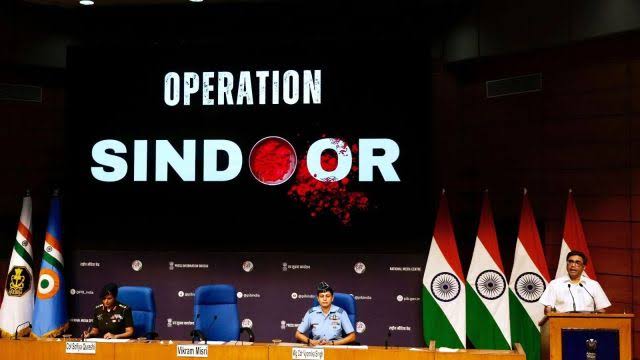
It has been over a year since the Pahalgam attack of April 22, 2025 — when gunmen killed 26 Indian tourists in the meadows of Kashmir in an assault claimed by The Resistance Front (TRF), an offshoot of Pakistan-based Lashkar-e-Taiba. The attack triggered the most serious military escalation between India and Pakistan in decades: Operation Sindoor, India's precision strike campaign launched on May 7, 2025, targeting terrorist infrastructure across the Line of Control and deep inside Pakistan.
A fragile ceasefire — brokered with US involvement through Vice President JD Vance and Secretary of State Marco Rubio — took hold on May 10, 2025, after 88 hours of active military operations. India's government pointedly refused to call it a ceasefire, using the phrase "stoppage of firing" to signal that no formal terms had been agreed and that the military option remained available.

What Operation Sindoor Achieved Militarily
According to India's Defence Ministry statements, Operation Sindoor's strikes targeted:
- Lashkar-e-Taiba headquarters in Muridke
- Jaish-e-Mohammed headquarters in Bahawalpur
- Nine additional terrorist targets using artillery and loitering munitions.
- Six Pakistani military airbases in escalation strikes on May 9, after Pakistan responded with a drone swarm.
India's multi-layered air defence network — a combination of domestically built systems augmented by Israeli and Russian capabilities — reportedly neutralised the majority of Pakistan's drone-and-missile counter-strike. Within 88 hours, Islamabad requested a halt in operations. Defence Minister Rajnath Singh stated unequivocally that Operation Sindoor was suspended — not ended — and that any future terrorist attack originating from Pakistani soil would trigger a renewed and immediate response.
The Diplomatic Aftermath: Whose Ceasefire Was It?
One of the most debated aspects of the Operation Sindoor aftermath remains the question of how the ceasefire came about. US President Trump claimed credit via a Truth Social post, stating that he had brokered the halt in fighting. India firmly rejected this framing — the External Affairs Ministry clarified that while diplomatic contacts had taken place, India had made its own sovereign decision to pause operations after achieving its military objectives.
The episode exposed tensions in India's diplomatic positioning: simultaneously managing its relationship with the US, maintaining pressure on Pakistan, and reassuring domestic audiences that sovereignty had not been compromised by American mediation.
The Current Status of the Line of Control
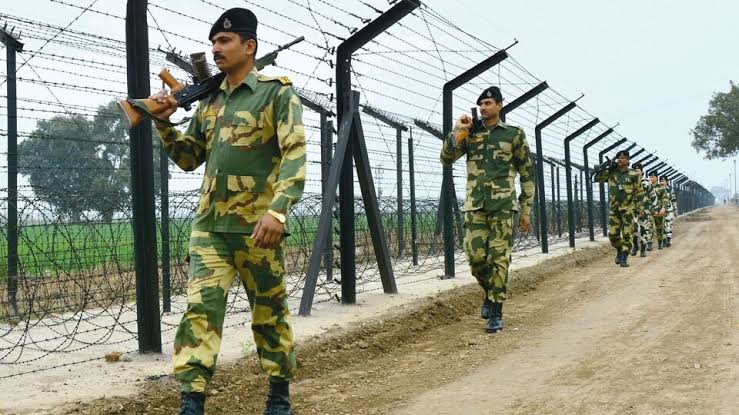
As of September 2026, the Line of Control remains tense but controlled. The ceasefire (or "stoppage of firing") agreed in May 2025 has broadly held, with periodic low-level violations but no return to the concentrated artillery exchanges of the Operation Sindoor period. Indian Army positions along the LoC have been reinforced, and surveillance has been significantly increased using a combination of satellite, drone, and ground-level assets.
Both India and Pakistan have avoided any direct diplomatic engagement at the foreign minister or head-of-government level since the Pahalgam attack. Trade, travel, and people-to-people links — already at a historic low — remain effectively frozen.
BRICS and the Awkward Presence of China
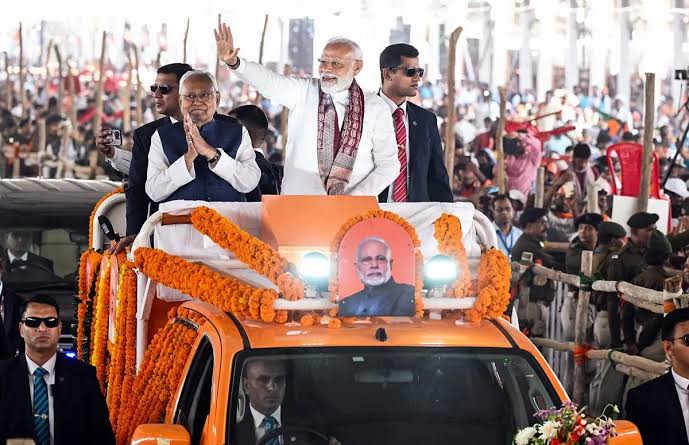
India's hosting of the BRICS Summit in September 2026 brought an unusual diplomatic moment: Modi and China's Xi Jinping shared the same stage at Bharat Mandapam. China and Pakistan have a close strategic alliance. However, BRICS protocol kept India-China-Pakistan triangular tensions contained — the New Delhi Declaration's language on Pakistan or cross-border terrorism does not specifically name Pakistan, though India's reference to the Pahalgam attack in side conversations was widely noted.
Key Takeaways
- Operation Sindoor was launched May 7, 2025, following the Pahalgam terror attack that killed 26 tourists.
- A ceasefire/stoppage of firing took hold May 10 after 88 hours of strikes — brokered with US involvement.
- India struck LeT and JeM headquarters and six Pakistani military airbases during the operation.
- As of September 2026, the LoC remains tense-but-controlled with no return to active military operations.
- India-Pakistan diplomatic ties remain frozen; no bilateral engagement at leadership level.
Frequently Asked Questions
What was Operation Sindoor?
Operation Sindoor was India's military strike campaign launched May 7, 2025, targeting terrorist infrastructure inside Pakistan and Pakistan-administered Kashmir in response to the Pahalgam attack that killed 26 tourists.
Is there a ceasefire between India and Pakistan?
A "stoppage of firing" has been in place since May 10, 2025. India has not used the word ceasefire and has stated that military options remain available if further terrorist attacks originate from Pakistani territory.
Are India-Pakistan relations normalising in 2026?
No. Diplomatic ties remain effectively frozen, with no bilateral engagement at leadership level since the Pahalgam attack. Trade and travel links remain suspended.
Conclusion
Operation Sindoor reset India's strategic posture toward Pakistan — from managed tolerance of cross-border terrorism to active, kinetic response. The ceasefire has held for over a year, but it is a pause, not a resolution. The underlying conditions that produced the Pahalgam attack remain unchanged. In September 2026, India watches the Line of Control with reinforced vigilance, hosts BRICS with strategic confidence, and keeps its military options explicitly and publicly open. That, for now, is the India-Pakistan equation.