India's Asian Games 2026 Campaign: The Final Picture
When the 2026 Asian Games closed in Nagoya on October 4, India's final tally stood at 4 gold, 16 silver and 17 bronze medals for a total of 37, placing the country 12th in the overall standings. India's best performance came in the 2023 Asian Games at Hangzhou where the country finished fourth in the medal table with 106 medals including 28 gold, 38 silver and 40 bronze medals. By any comparison with that benchmark, Nagoya was a step back. What it was not, however, was a failure - several disciplines produced results that reflect genuine competitive depth at the continental level.
Quick Answer: How many medals did India win at Asian Games 2026? India won 4 gold, 16 silver and 17 bronze medals for a total of 37, finishing 12th in the overall standings at the Aichi-Nagoya 2026 Asian Games.
Where the Golds Came From
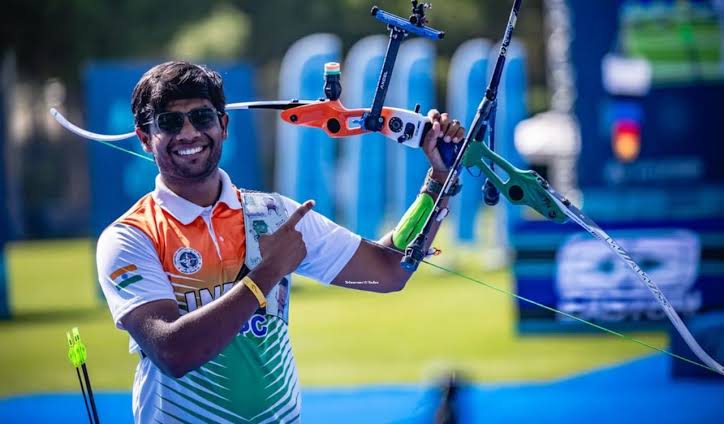
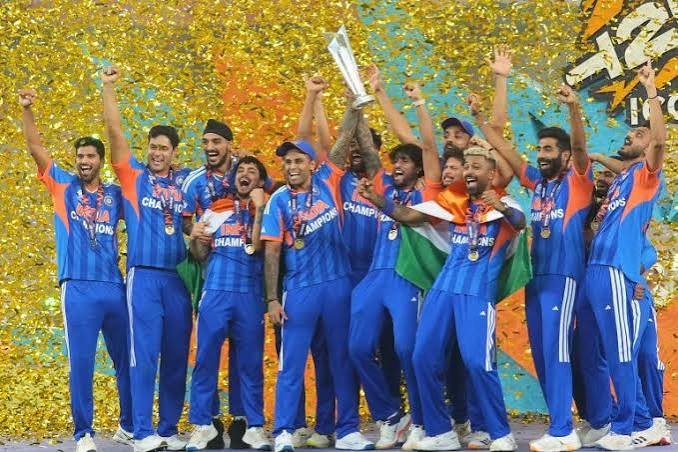
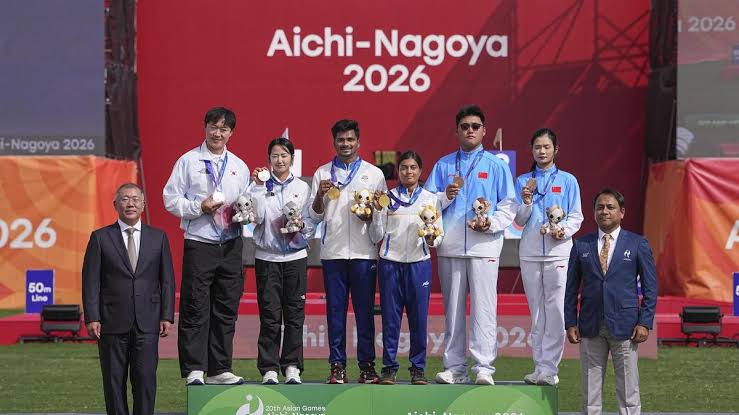
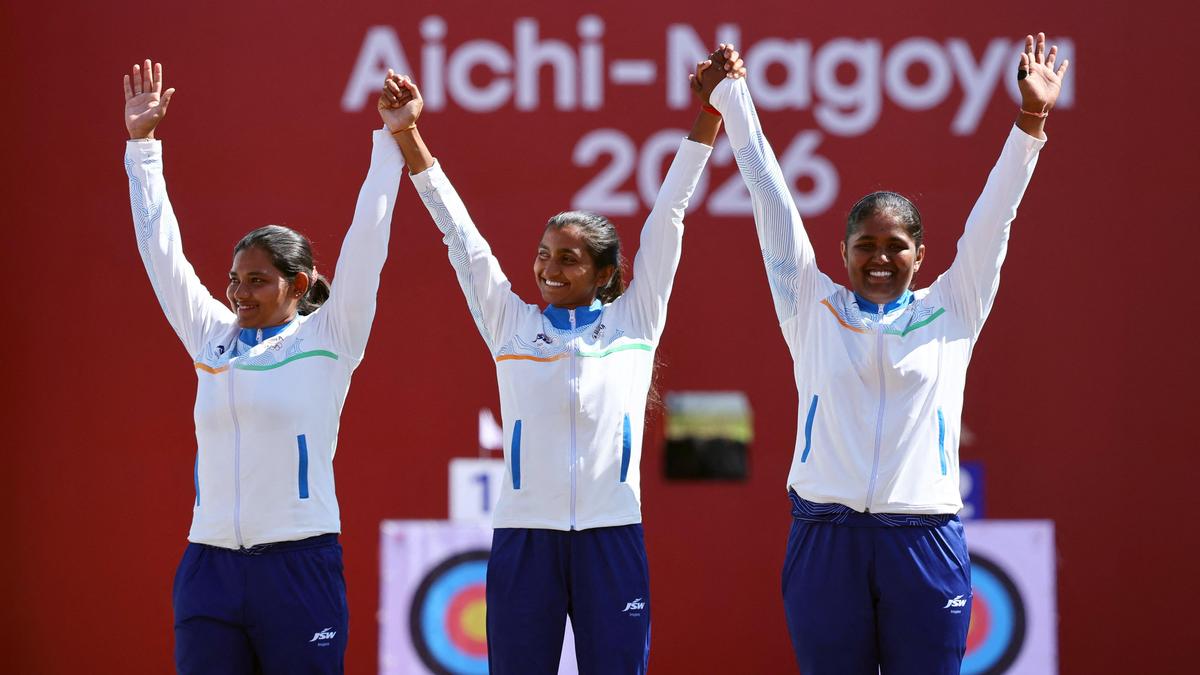
India's four gold medals came from kabaddi (men's team), kabaddi (women's team), women's cricket and archery (mixed recurve team). The kabaddi double gold delivered what was expected from defending champions. The women's cricket gold, won by a 147-run margin against Sri Lanka in the final, was emphatic. The archery gold against China with a score that equalled the world record was the most unexpected and - for those who watch archery closely - the most exciting result of the entire campaign.
Boxing: Three Golds on October 1
Boxing produced three gold medals for India on Day 12, October 1, significantly boosting India's gold-medal tally. This was the single biggest day for India in terms of gold medal production across the entire Games. The boxing programme ran through late September and early October, with multiple Indian boxers reaching finals. Three golds in one day from the same sport is a result that speaks to both the depth of India's boxing talent and the quality of preparation the squad brought to Nagoya. These are reflected in the overall tally, with India's gold count rising significantly on that day.
Why the Total Was Below Hangzhou
Several factors contributed to the gap between Nagoya and Hangzhou. Neeraj Chopra, who was targeting a hat-trick of Asian Games javelin golds, withdrew with an ankle injury before the Games began. Tajinderpal Singh Toor also missed the competition through injury - he had been a multi-time Asian Games champion in shot put. Two of India's most reliable gold-medal producers in athletics were absent.
Athletics, which had been India's highest medal-producing sport at Hangzhou with 29 medals including 6 gold, delivered fewer medals in total in Nagoya. The absence of Chopra and Toor was significant in terms of gold expectations, though multiple bronze medals came through from other athletics events.
The Sports That Delivered
| Sport | Gold | Silver | Bronze |
|---|---|---|---|
| Kabaddi | 2 | 0 | 0 |
| Cricket (Women's) | 1 | 0 | 0 |
| Archery | 1 | 2 | 0 |
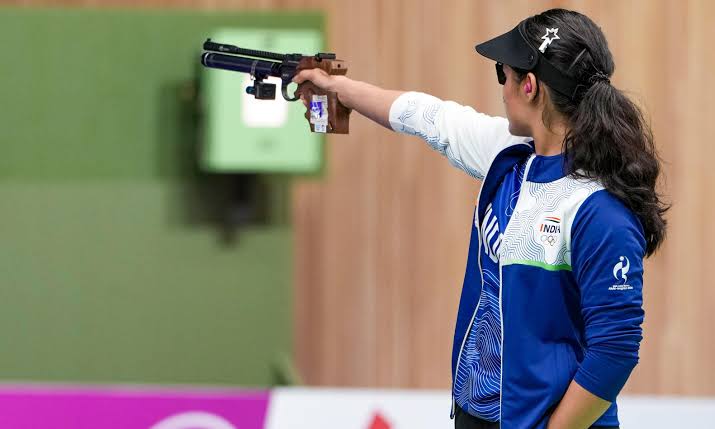
| Shooting | 0 | 6 | 4 |
| Athletics | 0 | 6 | 7 |
| Boxing | 3 | 1 | 2 |
| Squash | 0 | 2 | 1 |
What Nagoya Confirmed About Indian Sport
The range of sports producing medals is wider than in previous Asian Games editions. Teqball, MMA, soft tennis and archery all produced medals or competitive performances from sports where India had not previously been on the podium at this level. The pipeline of talent is broader. The peak production - in terms of gold medals from flagship athletic events - was disrupted by injury, and that is the honest explanation for why the total fell short of Hangzhou.
Key Takeaways
- India finished the 2026 Asian Games with 4 gold, 16 silver and 17 bronze medals, total 37, ranked 12th.
- Boxing delivered 3 gold medals on October 1, the single biggest gold-medal day for India.
- Archery gold against China - matching the world record score in the final - was the campaign's most celebrated single result.
- Neeraj Chopra and Tajinderpal Singh Toor both missed the Games through injury, removing two reliable gold medal sources.
- India's Hangzhou benchmark was 107 medals including 28 gold. The 2026 total fell significantly short of that mark.
Frequently Asked Questions
Why did India win fewer medals at Asian Games 2026 than Hangzhou 2022?
Key injuries were central to the gap. Neeraj Chopra withdrew before the Games with an ankle ligament tear. Tajinderpal Singh Toor, a two-time shot put defending champion, also missed the competition. Athletics, India's highest-producing sport in Hangzhou, delivered fewer medals overall in Nagoya as a result.
Which sport gave India the most medals at Asian Games 2026?
Shooting led by total medal count with 10 medals. Athletics delivered the next highest total. Boxing's three golds on October 1 made it the most impactful single sport in terms of gold medals.
Which Asian Games edition is India's best?
The 2023 Hangzhou Asian Games (held in 2022) produced India's best-ever performance with 107 medals including 28 gold, finishing fourth in the overall standings.
Conclusion
Thirty-seven medals across 37 sports at the Asian Games is not a number that triggers celebration in the context of what India produced at Hangzhou. The honest assessment is that the injury absences of Chopra and Toor cost India several gold medals and that athletics as a whole underperformed relative to the Hangzhou benchmark. What the Nagoya Games did show is that India's medal base is broader than before and that the pathway to a strong performance at Los Angeles 2028 runs through addressing the injury management and depth challenges that became visible in Japan.